EBNER TECHCENTER
Innovation as the driving force behind your success.
EBNER TECHCENTER
Innovation as the driving force behind your success.
EBNER TECHCENTER
Innovation as the driving force behind your success.

EBNER | TECHCenter

EBNER TECHCenter

We are a reliable partner that can provide you with the support you need for process-oriented development, the fabrication of prototypes or to evaluate equipment performance.

A process-oriented approach to development makes it possible to align optimal processing conditions with the achievement of desired material and product characteristics. The insights that are gained do not just supply valuable information that informs current fields of inquiry. Over the long term, they lead to the creation of measurable advantages – for example, by improving the efficiency of production facilities or by reducing manufacturing costs.

Creating progress through collaborative innovation

Take the opportunity to bring any of your R&D projects to a successful conclusion by collaborating with our global network of experts.

Depending on the area of investigation, EBNER can provide you with the expertise of our partners or our in-house experts – expertise that creates a foundation for sustainable innovation and technological excellence.

You reap the benefits of our decades of experience in managing innovative projects, our interdisciplinary approach and our proactive and collaborative methods. Our know-how, experience and resources combine with yours to create tailor-made solutions, set new standards and ensure sustainable competitive advantages.

GREENBAFx Glühsockel

Together, we’ll make your vision a reality!

Our team of experts will assist you in developing and testing new processes.

Testing facilities - batch-type and continuous

For trials that deliver realistic results, we have a wide variety of testing facilities available.

SimCAL is the designation for our Simulator for
Continuous Annealing Lines.

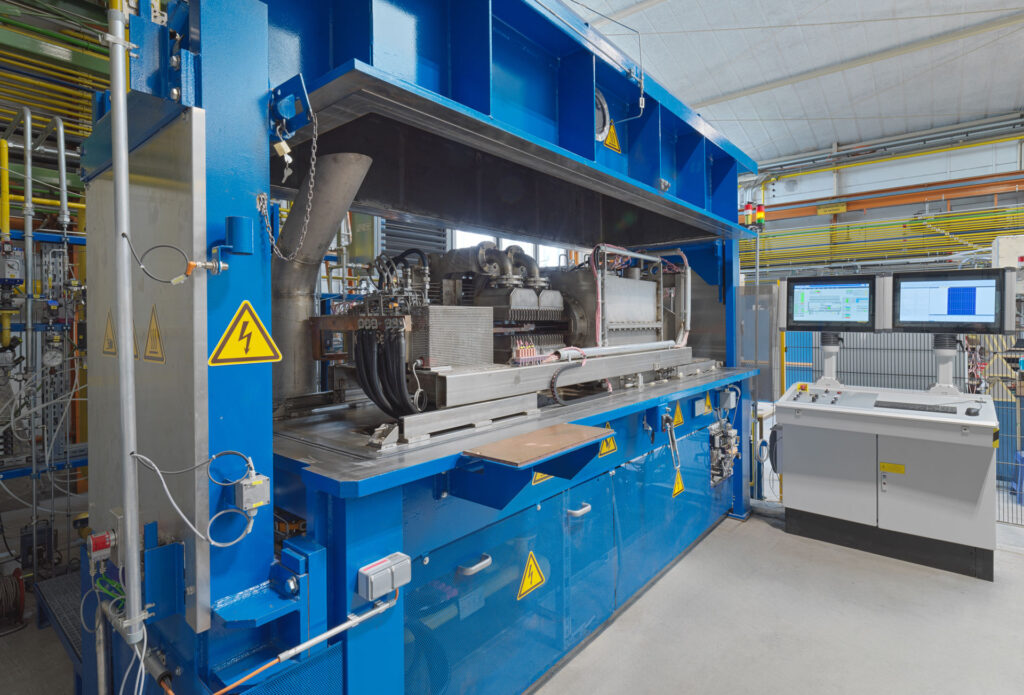
This testing rig can be used to accurately simulate the heat treatment process used in an industrial furnace. The simulator was originally developed to aid in the design of hardening and tempering lines, as well as other types of continuous annealing line.

However, its ability to rapidly, effectively and flexibly simulate individual thermal practices, whether for use in-house or to fulfill customer requests, has drastically expanded the scope of its application.

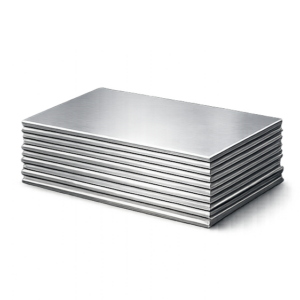
To determine what mechanical properties can be achieved with a particular material, samples in the form of small plates are rapidly heated using a resistance heating system. Temperatures of up to 1200 °C can be achieved, after which the samples are cooled. Depending on the requirements, cooling to the desired final temperaure can be carried out either very slowly or at a high cooling rate.

Technical details:

  • Type of charge: Plate
  • Dimensions (LxWxH): max. 450 x 30 x 2.5 mm
  • Heating zone:
    • Length of heating zone: 300 mm
    • Control ranges, heating zones: 1
    • Heating type: Electrical resistance
    • Possible types of
      process atmosphere: N₂, H₂, etc.
    • Max. temperature of sample: 1200 °C
  • Cooling zone:
    • Length of cooling
      section: 300 mm
    • Control ranges,
      cooling zones: 1
    • Cooling type: Convection
    • Possible types of
      process atmosphere: N₂, H₂, etc.
    • Simulated strip tension: 1 – 4 N/mm²
SIMCAL 3
Chargenform: Bleche

Type of charge

Continuous heat treatment facilities are complex composite systems, with many moving parts that can influence a process (heating-up rate, cooling rate, atmosphere composition, dewpoint, strip tension, etc.) and provide a product with particular properties (specific mechanical and magnetic properties, microstructures, phase transformations, etc.).

Efficient manufacturing, optimized processes and the development of new products are critical factors for modern companies as they seek to remain competitive.

When continuous heat treatment facilities are involved, these factors become even more difficult to assess: the facilities, which are typically extremely large, either have to halt production or do not have the flexibility to reliably follow a desired testing program.

For these reasons, simulating heat treatment processes at laboratory scales is far more efficient and much quicker to organize.

Technical details:

  • Type of charge: Plate
  • Dimensions (LxWxH): max. 500 x 200 x 3 mm
  • Heating zone:
    • Length of heating zone: 600 mm 
    • Control ranges, heating zones: 1
    • Types of heating system: Electrical resistance
      heating, radiant heating
    • Possible types of
      process atmosphere: N₂, H₂, etc.
    • Max. temperature of sample: 1260 °C
  • Cooling zone:
    • Length of cooling
      section: 475 mm 
    • Control ranges, cooling zones: 1
    • Cooling type: Convection
    • Possible types of
      process atmosphere: N₂, H₂, etc.
    • Simulated strip tension: max. 3900 N
SIMCAL Gen 5
Chargenform: Bleche

Type of charge

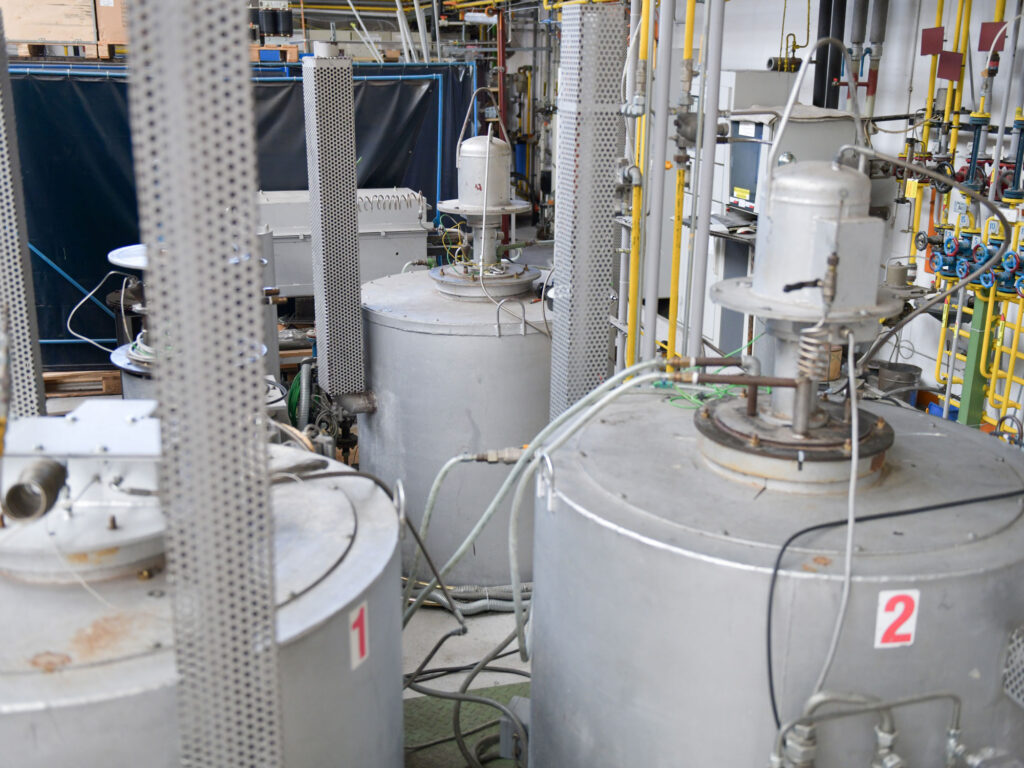
A pot furnace is an ideal solution for precision industrial heat treatment processes. Thanks to its compact design, as well as its ability to be equipped with either a gas-fired or an electric heating system, it provides accurate temperature control and short heating-up times – ideal for conducting trials, testing materials and processing small charge batches.

  • Heat treatment of metal products (hardening processes, anneals, tempering)
  • Laboratory applications
  • Materials testing (e.g. mechanical or thermal testing)

Technical details:

  • Type of charge: Sheet, plate
  • Furnace chamber [Ø x H]: 280 x 250 mm 
  • Heating zone:
    • Control ranges,
      heating zones: 1
    • Type of heating system: Gas-fired
    • Heating method: Radiant heating
    • Possible types of process atmosphere: N₂, H₂, etc.
    • Max. furnace chamber temperature: 980 °C
  • Alternative charging methods:
    • Charging basket/charge stand: Bulk material
Chargenform: Bleche
Stückgut

Type of charge

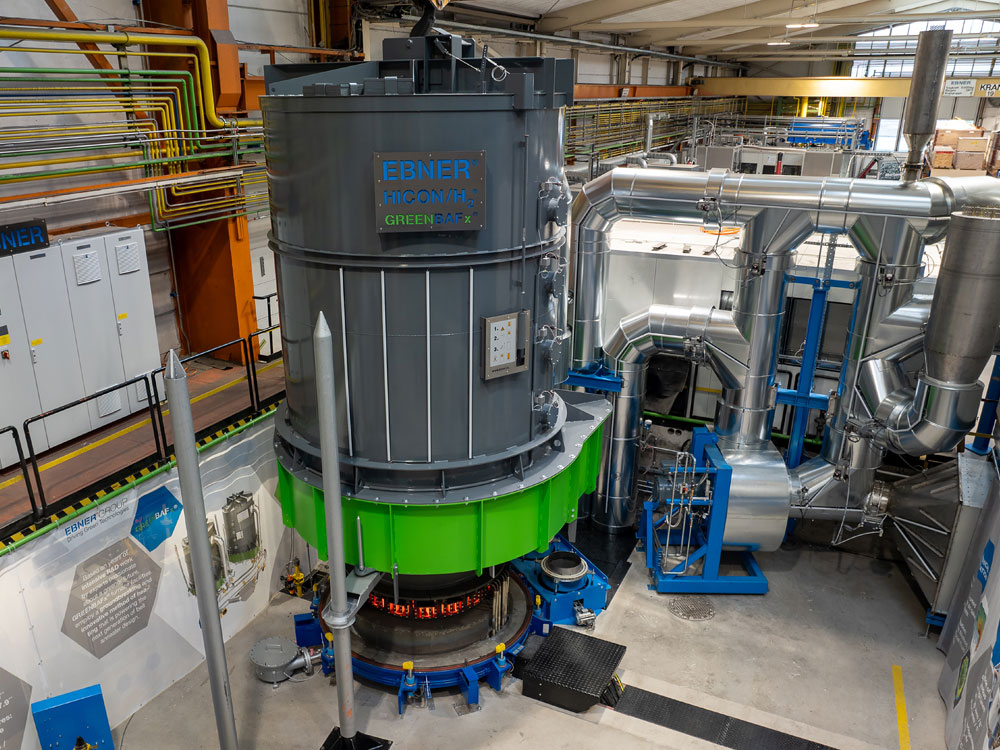
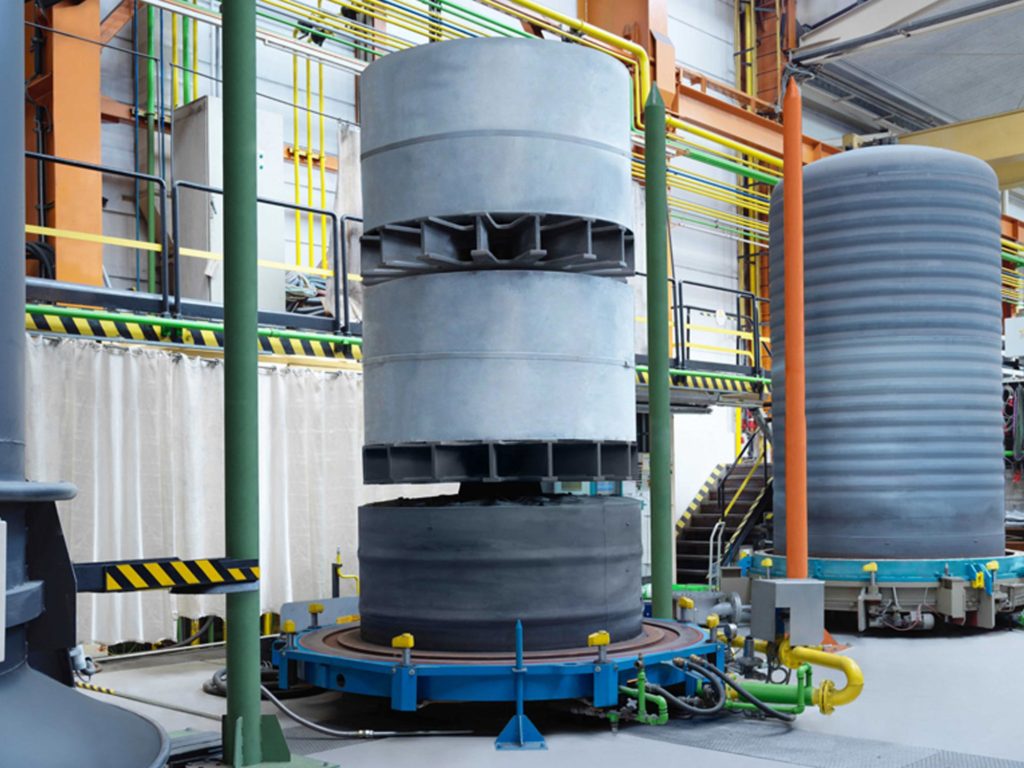
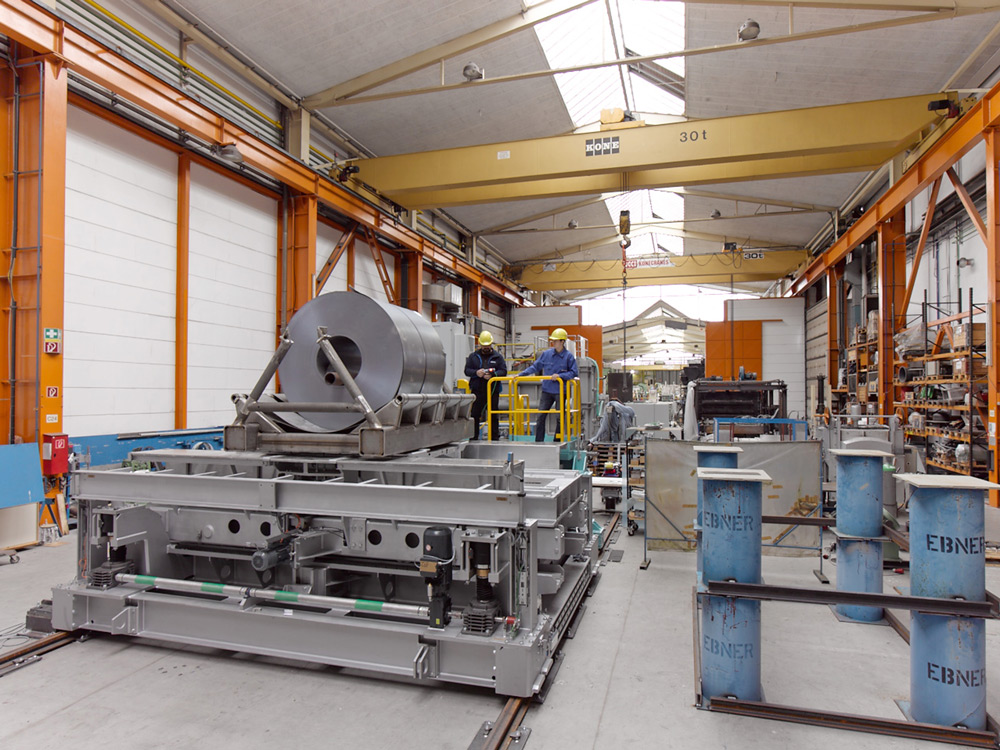
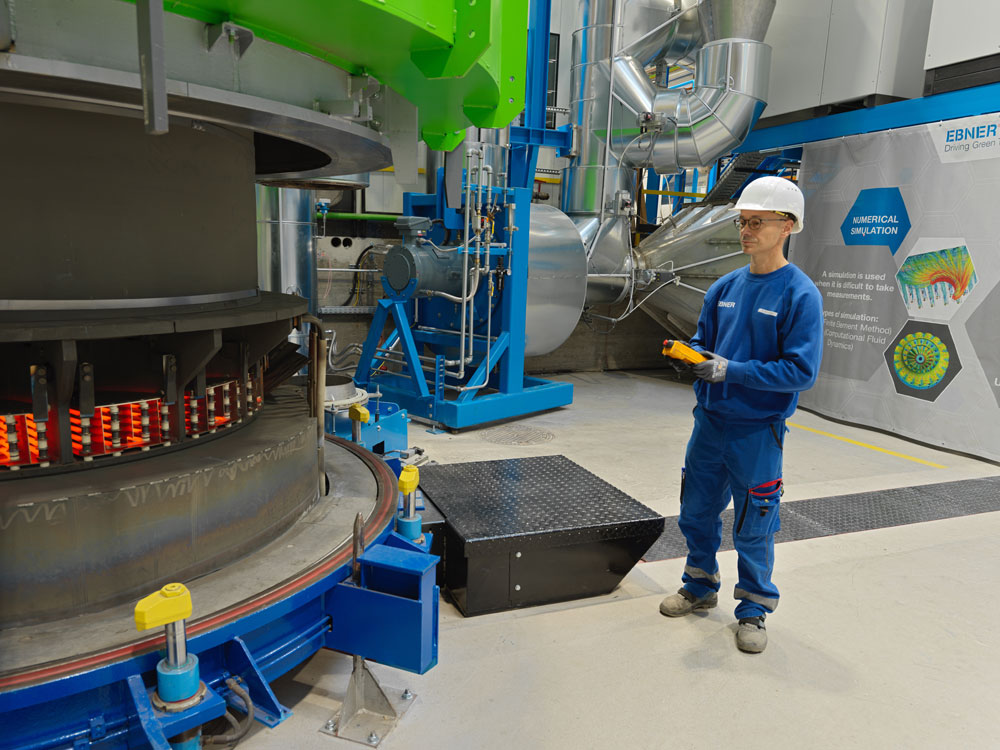
The demands of the future are challenging all of us to design processes that are more sustainable, even as they remain competitive. With this challenge shaping our perspective, we invested several years of intensive effort in the development of the next generation of bell annealer furnaces. During development, an emphasis was placed on maximizing energy efficiency, eliminating emissions and simplifying operating sequences.

This new generation of facilities, the patented GREENBAFx® line of bell annealers, features innovative systems for inserting thermal energy into the process and for recycling the energy released during cooling.

Technical details:

  • Type of charge: Coils
  • Furnace chamber [Ø x H]: 2000 x 3000 mm
  • Heating zone: 
    • Control ranges, heating zones: 1
    • Type of heating system: Electric
    • Heating method: Convection
    • Possible types of process atmosphere: N₂, H₂, etc.
    • Max. furnace chamber temperature: 750 °C
  • Alternative charging methods: 
    • Charging basket/charge stand: Bulk material
GREENBAFx Haubenofen
Bunde
Stückgut

Chargenform

For high temperature anneals (HTA), EBNER developed the HITT line of bell annealers in their own R&D laboratory. In a HITT facility, the high-temperature anneal uses secondary recrystallization to form grains with the magnetically advantageous Goss texture. The high processing temperatures (above 1150 °C) and straight hydrogen atmospheres also remove sulfur and nitrogen from the material. To inhibit the formation of stickers in the wraps at high workload space temperatures, an MgO coating is applied in an upstream process.

Technical details:

  • Type of charge: Coils
  • Furnace chamber [Ø x H]: 1800 x 2600 mm 
  • Heating zone: 
    • Control ranges, heating zones: 1
    • Type of heating system: Gas-fired
    • Heating method: Radiant heating
    • Possible types of process atmosphere: N₂, H₂, etc.
    • Max. furnace chamber temperature: 1200 °C
  • Alternative charging methods: 
    • Charging basket/charge stand: Bulk material
HITT Haubenofen (HBAF), Elektroband | HITT bell annealer (HBAF), Electrical Steel
Bunde
Stückgut

Type of charge

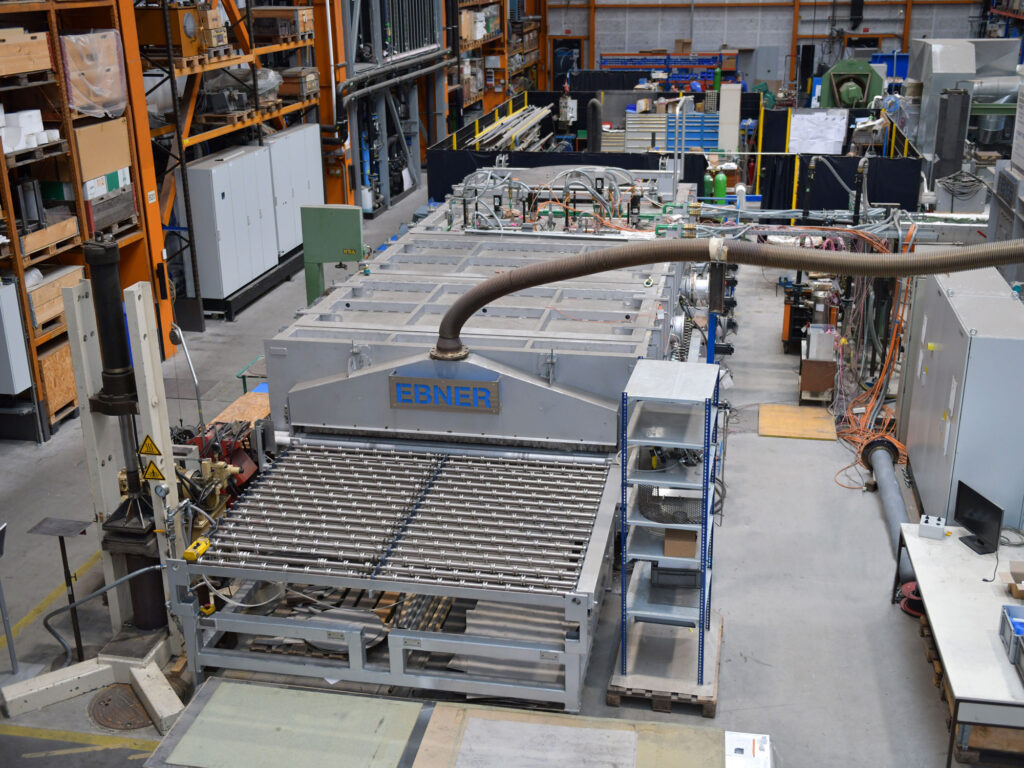
EBNER roller-hearth furnaces provide impressive flexibility, precision and an extremely low amount of temperature scatter within heated blanks, as well as excellent availability due to their rugged construction.

The facility is designed with an electric heating system. Due to its width, the facility is an ideal testing facility for customers in the automotive sector.

Technical details:

  • Type of charge: Sheet, plate, tube
  • Furnace chamber [L x B x H]: 2800 x 2600 x 100 mm
  • Heated length: 7.6 m
  • Heating zone:
    • Control ranges, heating zones: 3
    • Type of heating system: Electric
    • Heating method: Radiant heating
    • Possible types of process atmosphere: Air, N₂, and CH₄ mixed gas
    • Max. furnace chamber temperature: 980 °C
    • Conveyor system: Rollers
  • Alternative charging methods: 
    • Charge basket: Bulk material
EBNER Rollenherdofen
Chargenform: Bleche
Rohre

Type of charge

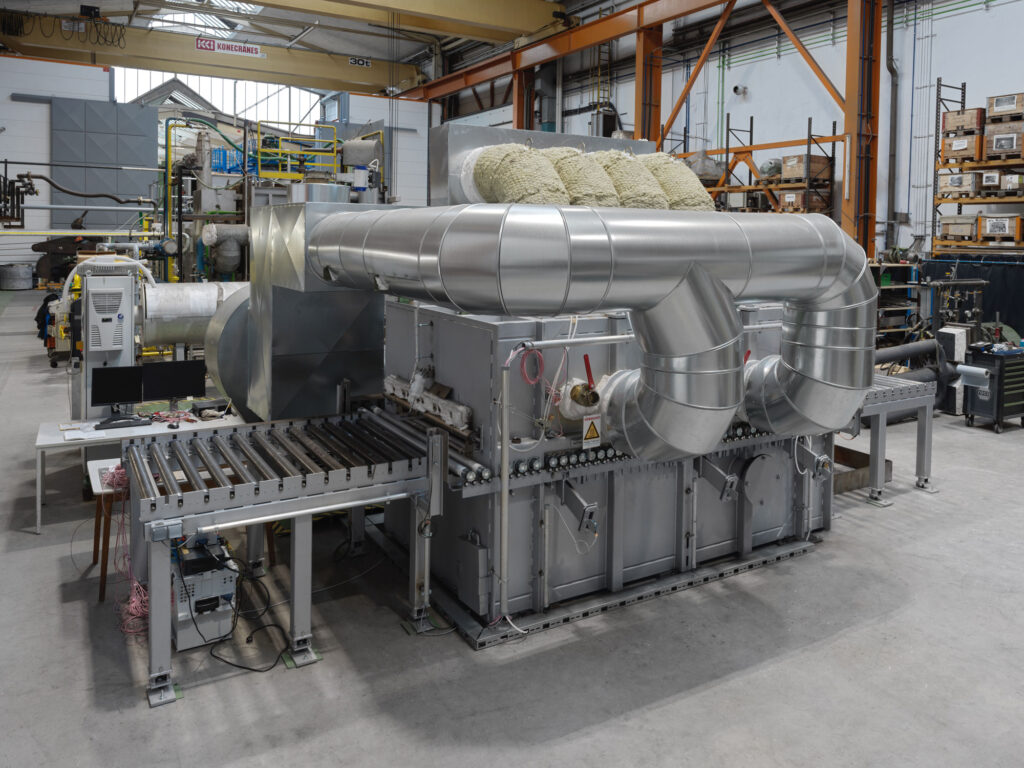
A roller-hearth furnaces with HICON® high-
convection technology is capable of heating blanks quickly and accurately. After reaching a material temperature that is exactly equal to that required, the blanks are transported out of the furnace at high speed. They are then stopped, centered and raised at the decharging roller table.

Technical details:

  • Type of charge: Sheet, plate, tube
  • Furnace chamber [L x W x H]: 2400 x 1000 x 50 mm
  • Heated length: 3.2 m
  • Heating zone: 
    • Control ranges, heating zones: 1
    • Type of heating system: Electric
    • Heating method: Convection
    • Possible types of process atmosphere: Air
    • Max. furnace chamber temperature: 600 °C
    • Conveyor system: Rollers
  • Alternative charging methods:
    • Charge basket: Bulk material
HOTFORM Ofen
Chargenform: Bleche
Rohre

Type of charge

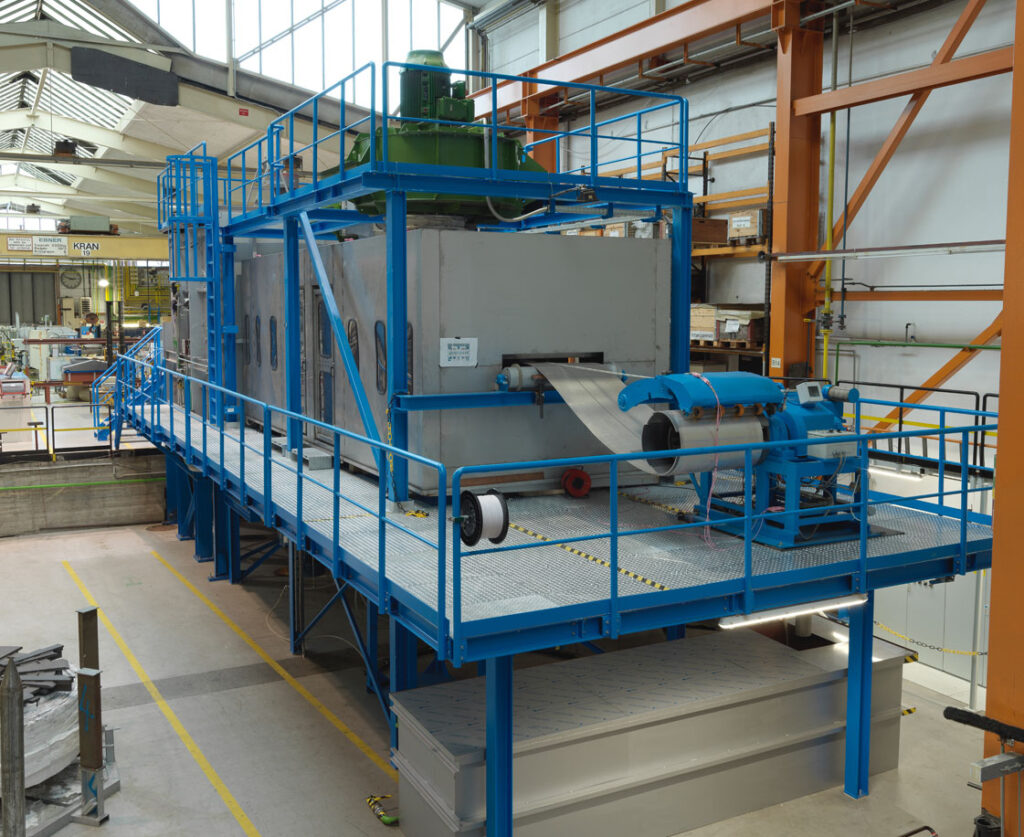
Inside a horizontal HICON® floater furnace, aluminum strip is transported through the entire facility on a cushion of heated air. This cushion, provided by the special HICON® atmosphere recirculation system, prevents the strip from coming into contact with any furnace component. A newly developed nozzle system has increased both the amount of heat that can be transferred and the ability of the system to support the strip. This has significantly increased the throughput capacity of such facilities, particularly when thick strip is being processed.

Once the solution temperature and soaking time have been reached, the strip is quenched rapidly and precisely in a combined water/air quench. This delivers the necessary cooling gradients and tensile strengths for different strip thickness and different alloy groups, while ensuring that the strip that leaves the quench is both flat and dry.

Technical details:

  • Type of charge: Coil, sheet
  • Max. dimensions
    of the charge: 
    • 1500 mm (outer Ø of coil)
    • 860 mm (width)
    • 0.2–4 mm (≠)
    • Heated length: 4.5 m
  • Heating zone:
    • Control ranges, heating zones: 1
    • Type of heating system: CH₄ gas burner
    • Possible types of process atmosphere: Air
    • Max. Temperature: 600 °C
  • Cooling zone:
    • Length of cooling section: 8 m
    • Control ranges in cooling zone: 2
    • Types of cooling: Water, air
    • Possible types of process atmosphere: Air
    • Conveyor system: Air cushion
EBNER Tech Center Floarter Furnace
Chargenform: Bleche
Rohre

Type of charge

Measuring and testing methods

For thorough analyses and characterizations of processes, materials, and components, we have an array of methodologies available for testing and measurement:
 
  • Metallurgical examinations 
  • Destructive and non-destructive testing 
  • Temperature measurement, with our without 
  • coming into contact with the material  
  • Analysis of atmospheres, utilities and gases  
  • Conductivity measurement 
Furthermore, you should feel free to draw on our extensive experience with heat treatment processes for both ferrous and non-ferrous materials.

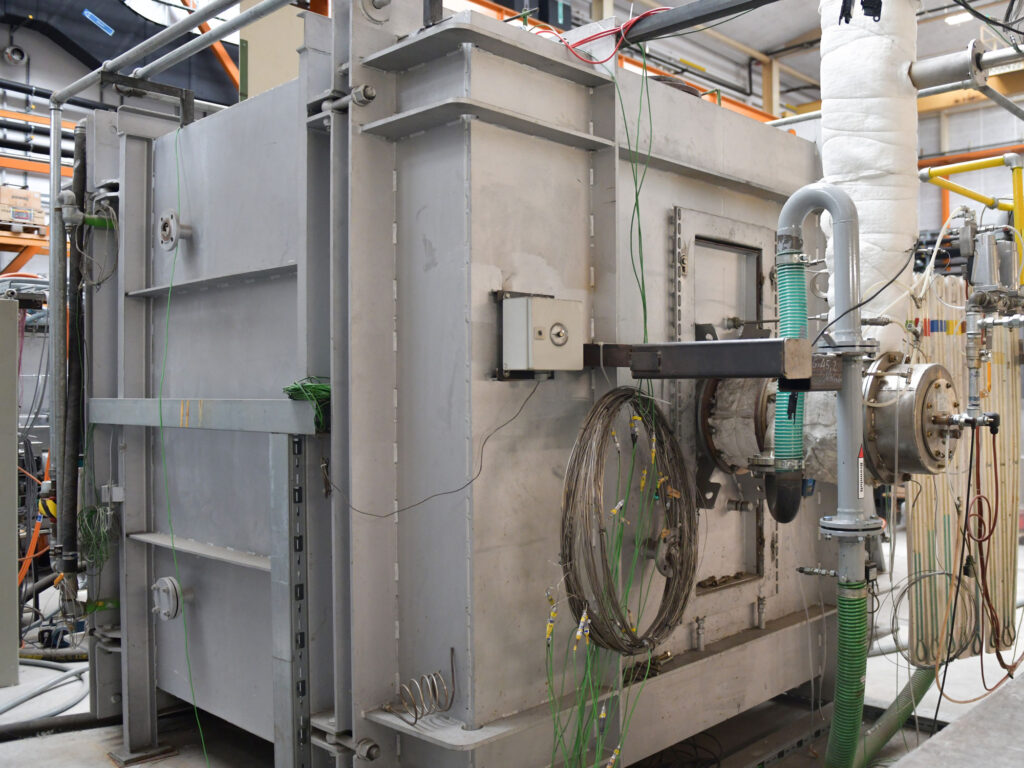
The radiant tube testing rig is designed to allow radiant tubes to be tested under realistic conditions. This allows analysis of both the furnace atmosphere and any exhaust gases, providing (among other assessments) values for residual oxygen content, carbon monoxide and NOx.

The test rig also allows burner pressures, the
temperature distribution across the tube and the UV current (for flame supervision) to be recorded.

Technical details: 

  • Temperature: up to 950°C
  • Process atmosphere: Air
  • Output: up to 200 kW
  • Types of gas: CH₄, H₂, butane, coke oven gas
EBNER Stahlrohrprüfstand

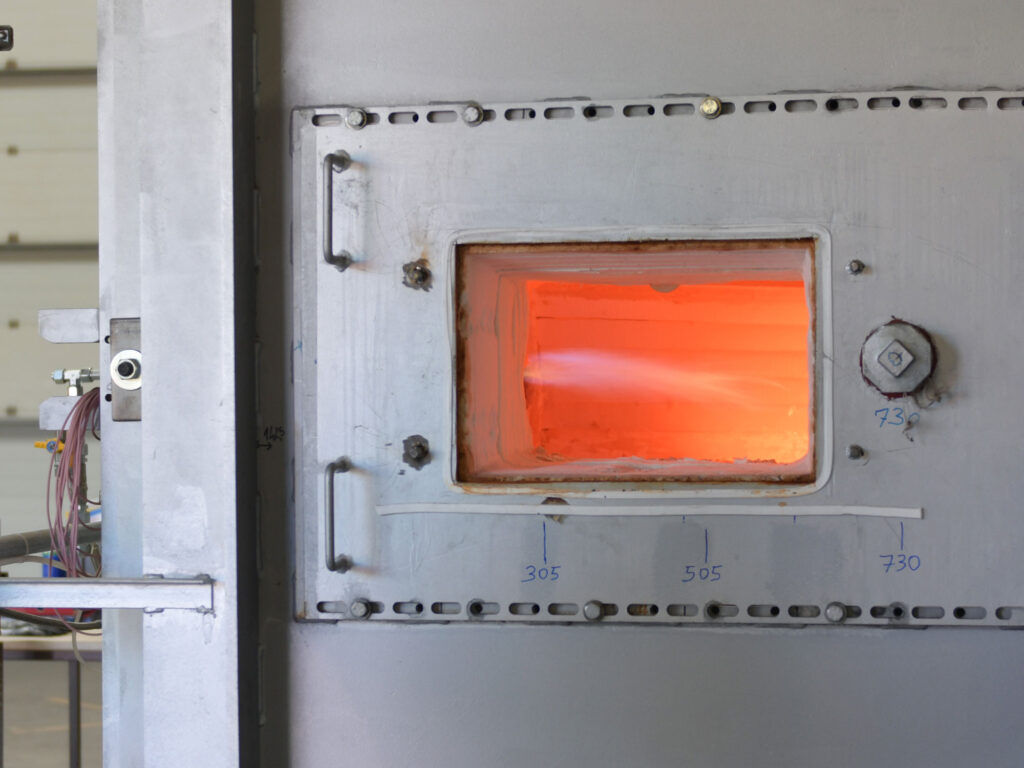
The burner test rig is designed to allow burners to be tested under realistic conditions. The shape of the flame, behavior during ignition and all relevant exhaust gas parameters can be evaluated. For hydrogen testing, temporary cylinder bundles can be utilized. These bundles can be removed once testing has been completed.

By employing supplementary burners, cooling tubes and pre-heated combustion air, the combustion chamber allows stable and precise control of the temperature range during a trial.

Technical details:

  • Temperature: up to 1200°C
  • Throughput: up to 200 kW
  • Types of gas: CH₄, H₂, butane, coke oven gas
EBNER Brennerprüfstand

Our R&D partnerships enable

  • the efficient development of new technologies
  • the targeted optimization of existing thermal
    processes
  • the rapid transformation of innovative ideas into
    marketable applications

Quality, accuracy and future-proof development always remain in focus.

Together, we can create progress – through collaboration, innovation and by keeping our sights on our goals.

EBNER TechCenter

Take advantage of our expertise for your development.

We support you in process-oriented development, prototype construction, and the evaluation of technical performance limits.